Know what can wait.
Capturing more is not the goal. The value is distinguishing the important few from everything else.
Information is no longer scarce. Judgement and attention are. SAINT is built so supported work can be handed over without handing over authority.
Watch the filmWe gave everyone the tools. We left them with the work. SAINT is building a private secretary to take on the work you authorise.
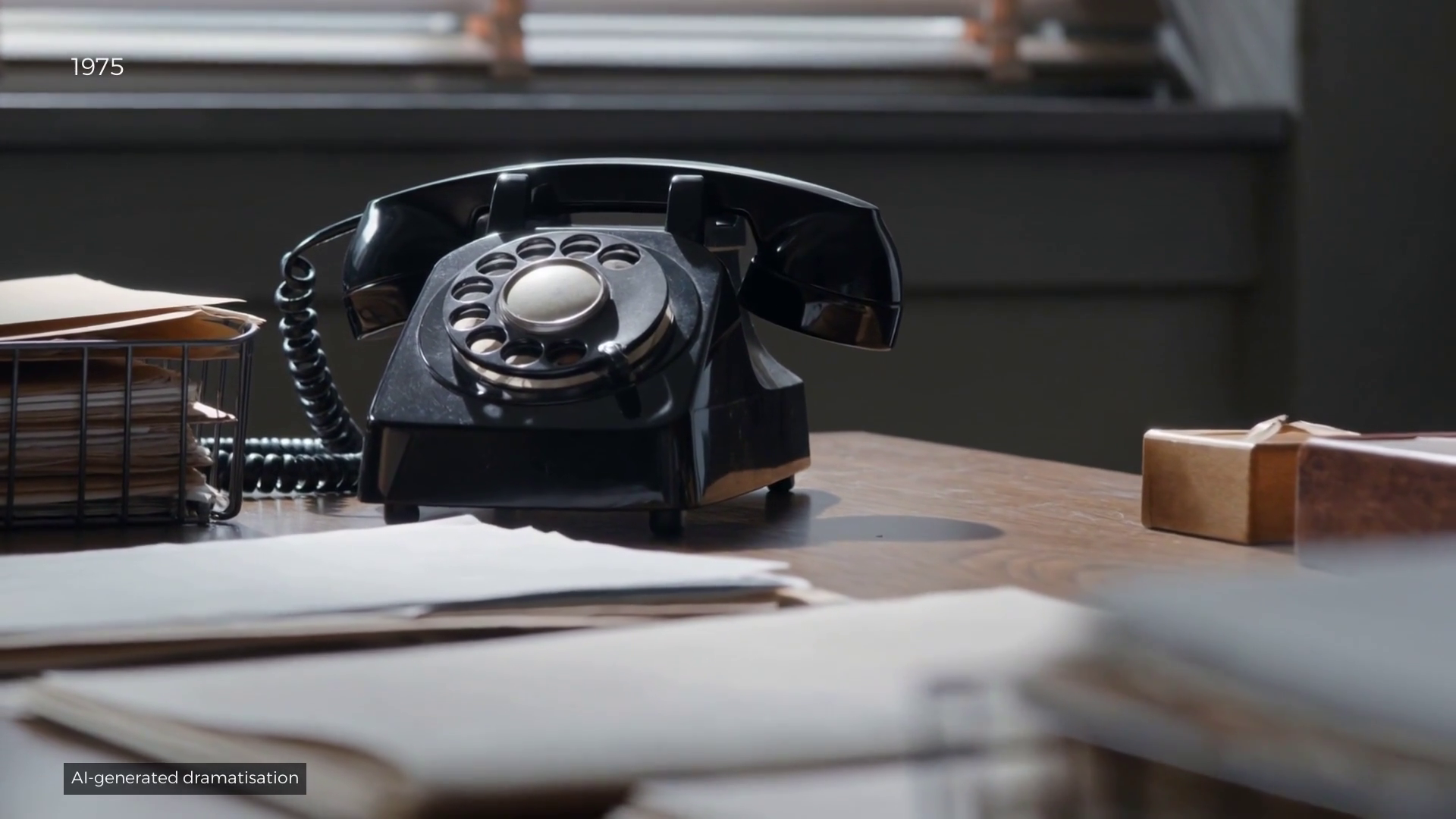
In nineteen seventy-five, a manager had a secretary. She knew who to call, what could wait, and what mattered.
Then we gave everyone a computer and called it productivity. The secretary left. The work stayed.
Today, a founder with a three-million-euro runway books tables and waits on hold. Software helped us do the work faster.
We're building a private secretary to take on the work you authorise. Imagine saying: Dinner Thursday. Four of us. Near the office. Not Italian.
Later, one message: Kuurna. Nineteen thirty. Booked. You don't need to know how many places it called. You need to know it's done.
SAINT is in a private pilot. You stay in control. Not everything deserves your attention.
The computer gave us a place to work.
The smartphone gave everything a way to reach us.
AI gave us another box to ask.
And we asked people to be disciplined about all three.
The next step is not another place to look.
A chatbot returns an answer. A task manager returns a reminder. A private secretary accepts responsibility for a bounded outcome, keeps track of the work and returns the matter resolved or ready for your decision.
Keeps everything and asks you to find the meaning later.
Waits for a command, completes a task and forgets the wider context.
Answers when you open it, prompt it and remain inside its interface.
Knows what can wait, remembers what was decided, proposes the next move and asks before it acts.
Capturing more is not the goal. The value is distinguishing the important few from everything else.
Remember decisions, promises and preferences across the places where life actually happens.
It drafts the next move. You decide whether it goes.
No feed to tend. No little screen asking to be checked. Speak when something genuinely needs attention.
People nearby should understand when sensing is active. The user should understand what is known, kept and done.
You can see what it remembers, fix what is wrong and tell it to forget. It does.
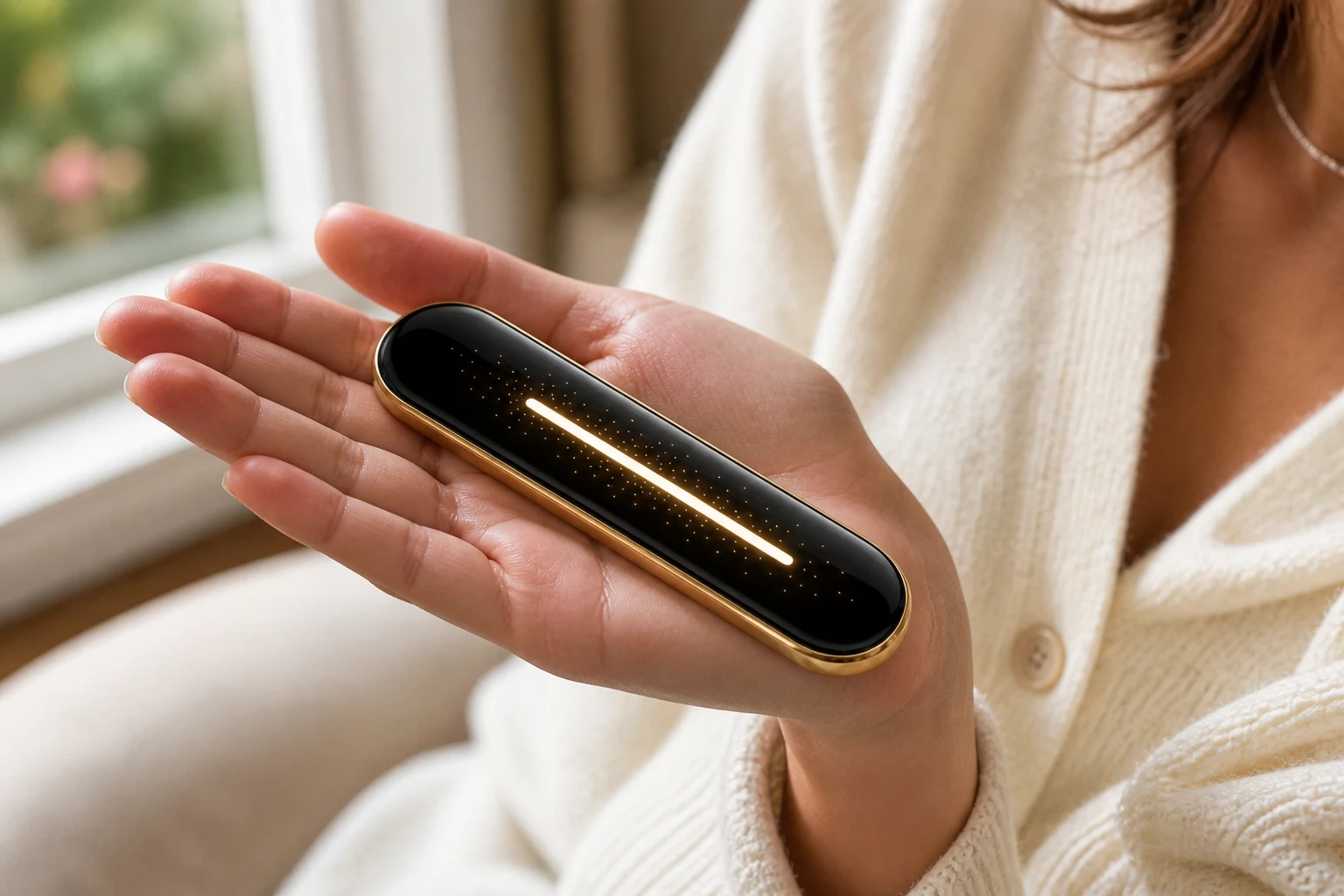
This is how it says good morning. No screen involved, which is the point.
I have spent twenty years in technology, much of it building useful things that also asked people to return, refresh and keep checking. Over time, the phone became the route to almost everything: work, family, directions, tickets, money. Leaving it behind began to feel less like a choice and more like neglect.
I understood the cost when I checked a screen while one of my children was telling me something. I had not decided that the screen mattered more. I had simply carried a device that made everywhere else available in the middle of where I was.
I do not want to get rid of the phone. I want it to stop being compulsory. Post-phone means you can leave it behind without becoming unreachable or letting important things drop. The technology should keep track, resolve what it can and bring you back only when your judgement is needed.
That is why we're building a private secretary. The service works today in a private pilot through one number you can text or call. The screenless instrument is still in development, with its own connection planned so it can reach Saint without a phone nearby. It is being designed to brief you, take your instruction and then recede.
We're building it in Helsinki, where silence is often a form of respect. Our measure is not how often you engage. It is whether you can be where you are while the important things are handled.
— FoundersHelsinki

You should not have to carry a phone to know whether now is the moment.