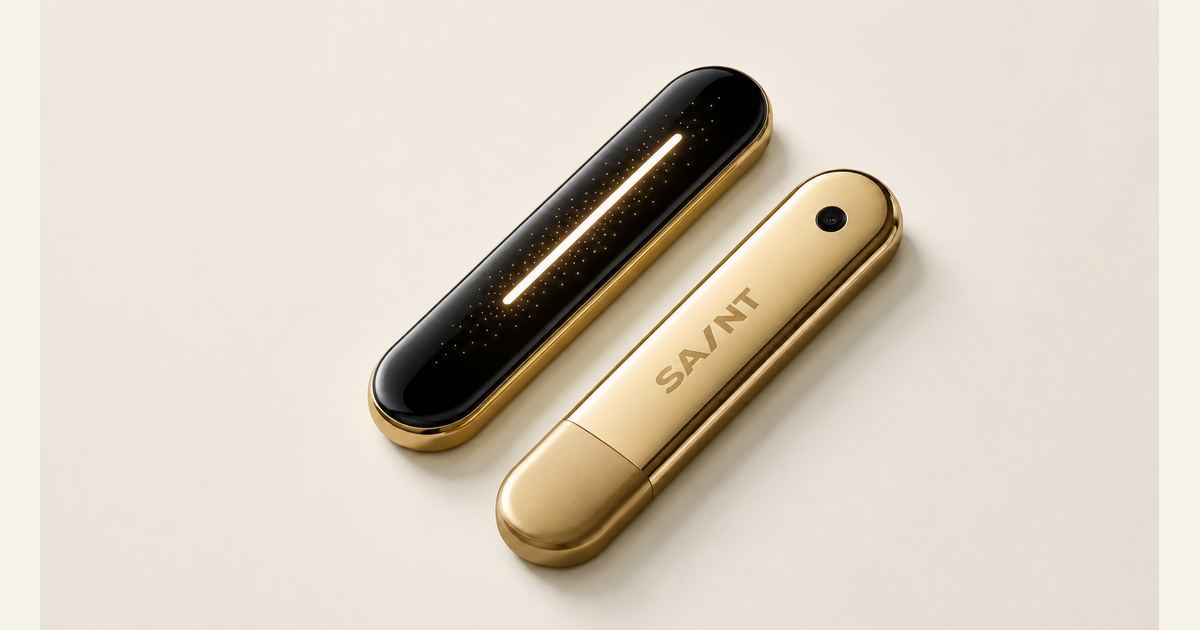
The phone is where you do the work. SAINT is who you delegate it to.
Possible is not the same as delegated
A smartphone can research, call, message, compare, book and follow up. It usually leaves one person to search the history, move between tools, wait, record the answer and remember the next chase. Claiming that the phone cannot do these jobs would be untrue.
SAINT changes who carries the sequence. The person states a bounded outcome through the phone they already own. SAINT gathers permitted context, handles supported communication and follows through until there is a result, a handoff or a clear blocker. Consequential outward action still waits for confirmation.
Touch keeps the work with you
The product page now demonstrates the same outcome side by side. Touch breaks an intention into searches, choices, calls, app changes and later returns. Delegation keeps the intention intact as a request, an approval where required and a receipt.
The comparison does not claim that connected apps disappear or that SAINT replaces their systems of record. It counts the phone surfaces left closed in each example and derives that number from the displayed scenario. The examples remain bounded to capabilities working by text and voice in the private pilot.
Who the first service is for
The first seats remain chiefs of staff and executive assistants, independent consultants and fractional leaders, and founders in a live sprint. Their titles are not the whole qualification. The stronger signal is repeated work crossing people, sources and time: communication, research, personal context, several steps and follow-through.
This is a positioning clarification, not a new availability claim. The service remains invitation-only and supported capabilities keep their existing boundaries.
One idea now carries the public story
The public hierarchy now begins with one bounded exchange: you hand over the work and SAINT returns the result, exact blocker or decision. The category definition, attention belief, approval boundary and instrument now support that exchange instead of competing to become separate headlines.
This does not widen what SAINT can handle or guarantee completion. The service remains invitation-only. The page shows a private-pilot example, and the instrument remains design intent. Stronger claims such as universal catch or completion still require sustained operating evidence.
The instrument has a separate burden of proof
The service is the business and runs phone-first today. The screenless instrument is being developed as an optional, lower-friction line to the same secretary for moments when reaching for a phone costs attention.
That advantage is not yet proven. A within-participant comparison must show better time from intent to request, fewer interruptions per completed task and repeated use before inventory is committed. If it does not, the phone remains the device.